

Gloriously Ordinary Sundays - 31st August 2025
I really hope that summer has treated you well. I’ve popped a cardi on this morning, so it must be nearly time for back to school. I wanted to share my thoughts today about how easy it is for things to turn un-gloriously ordinary very quickly and without malice or intent.
Summer is a time when I often catch up with friends and families with disabled (adult) kids who I support or get support from, and I’ve had several conversations over the last month with people about things that have happened that aren’t awful, aren’t ‘oh my days that’s appalling’ …but just aren’t right. Aren’t ok because they fail the Five Tests for Gloriously Ordinary Lives in what you might think of as quite low-level ways. Things that it would be easy to say don’t really matter and question whether it’s even worth getting bothered about … but then they add up. See what you think.
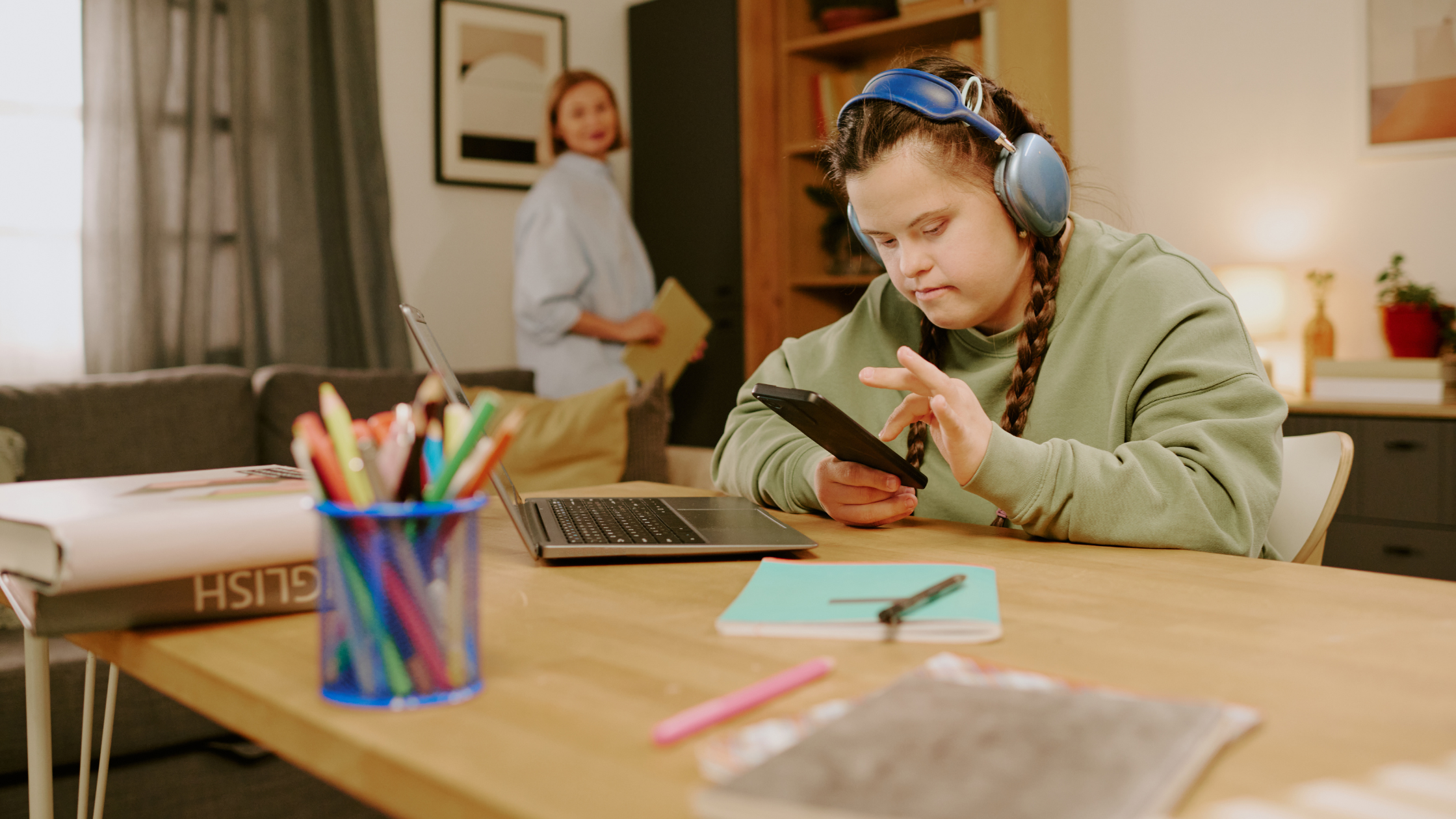
Anna's friend Mary went with her to visit Anna’s daughter, Layla. Layla is 25 and loves music, all things Barbie, and watching YouTube videos and movies. Layla doesn’t use words to speak, but she is skilled at finding really left-field stuff on bits of the internet that many of us don’t know exist (well, left-field to my friend Anna, who is my age and about as up to date with current trends as I am!). Mary commented that she was surprised that Layla wasn’t on TikTok, what with her being 25. Anna agreed, asked Layla's team to help her have a look, and didn't think anything of it. Ten days later, one of the team said to Anna with some embarrassment that it would probably be easier for her to help Layla download the app, as when she'd asked the team leader if it was possible, they’d said a full risk assessment for social media would be needed.
Abdula supports Yacob, who lives in his own flat with a small team. Abdula had been out with Yakob doing some shopping when he got a call from the team leader, Mark, saying that he had a new carbon monoxide detector he needed to bring round to Yacob’s flat. Abdula explained they weren't in, and Mark said not to worry, he'd see them back at Yacob's flat. When they got back, Mark had let himself in using the key from Yacob’s key-safe and was waiting for him sitting in Yacob’s spare room (Mark called it the office).
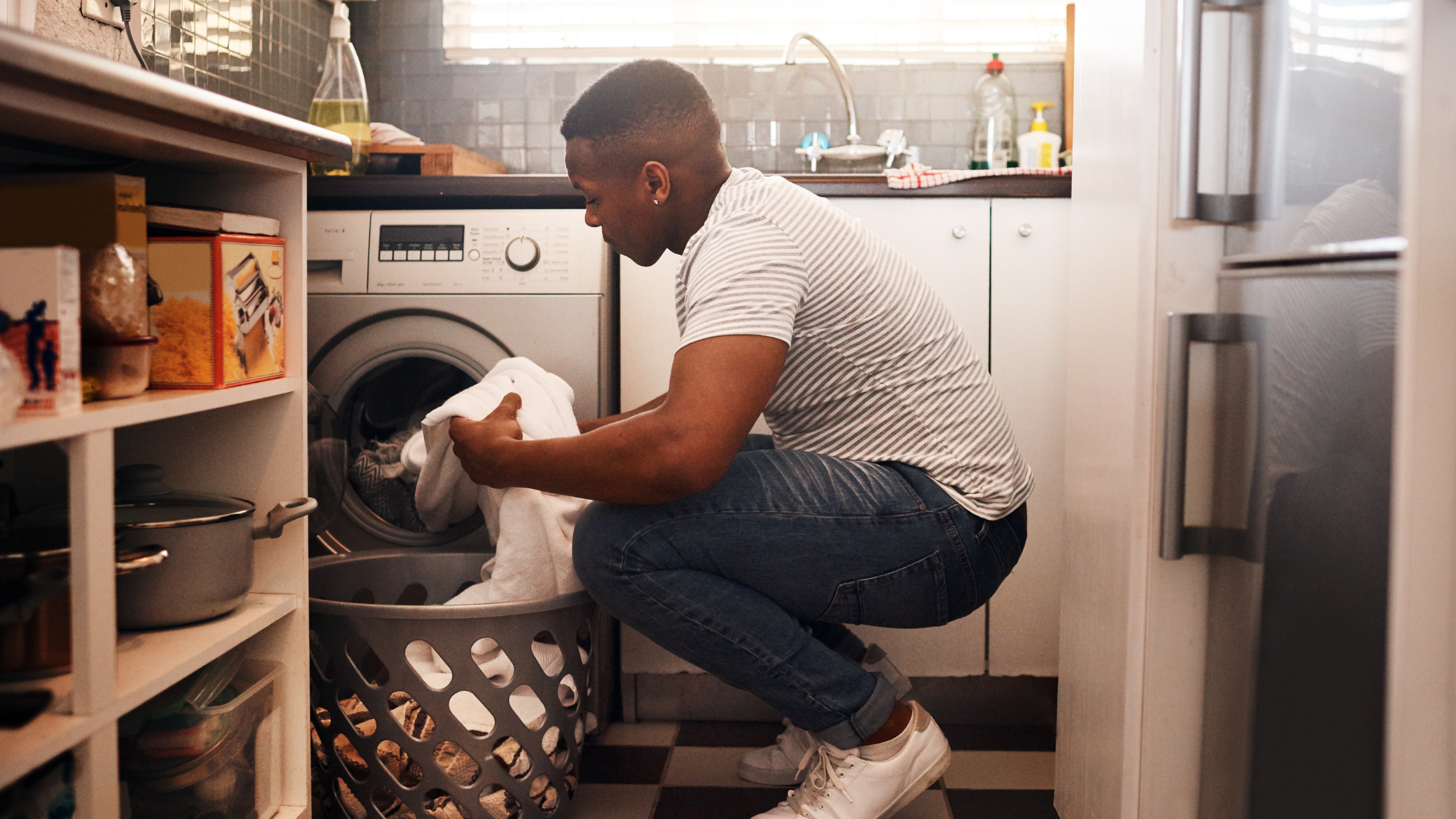
Maggie went to see her daughter early one morning before work. Isla often doesn't sleep at night, so Maggie finds that it’s a good time for a quick visit. She spent 20 minutes upstairs with Isla in her bedroom chatting, and when she went downstairs to leave to go to work, she found Kate, Isla’s support worker, taking Isla’s washing out of the machine and hanging it out to dry.
Last week was Rachel's 35th birthday. Her mum Wendy had made arrangements with Rachel and her support team to visit along with her brother at 4:00pm to have a bit of a birthday bash – presents, cake, singing Happy Birthday etc. When she got there at 4:00pm, Rachel's brother was waiting outside, and Rachel wasn't in. Wendy checked good old Find my Friends to see that Rachel was 15 miles away shopping in Tesco's. They went to a café to wait, and when Rachel finally got back, 45 minutes later, her support workers had no explanation and didn’t seem to see a problem.
So, what made it so hard to get TikTok on Lucy’s phone?
Why did Mark think it was ok to let himself into Yacob’s flat?
Why was Kate doing Isla’s washing?
Why did Rachel’s team not help her get back in time for her own birthday party?
None of my friends felt that support for their son or daughter was particularly awful. They all talked about sometimes being a bit frustrated about people not getting the concept of Gloriously Ordinary Lives, but that this often came from a place of love. Kind, caring people not understanding how powerful their actions are in reducing our lives.
Last month, I facilitated a Gloriously Ordinary Lives session with a small group of people whose job title was ‘support worker’, and I asked the group to start by explaining their role to a friend who didn’t know anything about social care. One (very experienced) woman offered to go first and proudly and confidently said,
‘To look after people and keep them safe’
‘To offer people choices’
‘To make people more independent’
Houston, we have a problem.
There’s also something about difference here. The idea that when we are someone who needs support, different rules apply. When my 13-year-old great-nephew wanted to get TikTok, my niece had a chat with him about the risks of getting sucked into scams or seeing stuff he didn’t want to see. That’s life – it’s how we all ‘risk assess’ on a daily basis. Conversation, done, sorted – no 4-week wait.
Would Mark have let himself into a friend’s house without asking?
If Kate was staying with a friend, would she have got up early, got her friend’s clothes out of the laundry basket, and put a load of washing on?
Of course, not – that’s different ….but it’s not.
There’s a fascinating fact in the two stories where team leaders were involved. Layers of support that seem to get in the way of everyone taking responsibility for sensible decision-making. Layla’s team felt they had to ask permission to get TikTok… then the more senior person went straight to a formal risk assessment. Mark knew that Yacob needed a new carbon monoxide detector, and thought it was his job to sort that out, rather than reminding and enabling Yacob to know that it’s his flat, his responsibility.
Here’s the thing …the little things add up. No one ever split up with a partner because they left the lid of the toothpaste, but most of us will relate to that series of tiny things that, added together, make everything not ok. Where are the little things in your life – home or work – adding up to make things just not Gloriously Ordinary?

PS. Did you see? The Gloriously Ordinary Sundays Podcast episode 13 is here. I I chat with Beverley Samways from Unique Connections.
I recently came across the work of Unique Connections online, when exploring how I could help and support The Girl to live a gloriously ordinary life. Beverley and I talk all about the importance and power of seeing the emotional person behind the behaviour, and how being truly present with someone can replace self-injury with connection and words.
* Trigger warning - we talk about self harm *